Cuetzalan As A Discipline Of Attention
I arrived in Mexico thinking about global citizenship as a moral vocabulary. I left understanding it more as a discipline of attention. It is easy to say that the world is connected. It is harder to sit with the concrete form of that connection when it appears as a family divided by immigration policy, a river threatened by a dam, or a community meeting where people decide how to defend their territory.
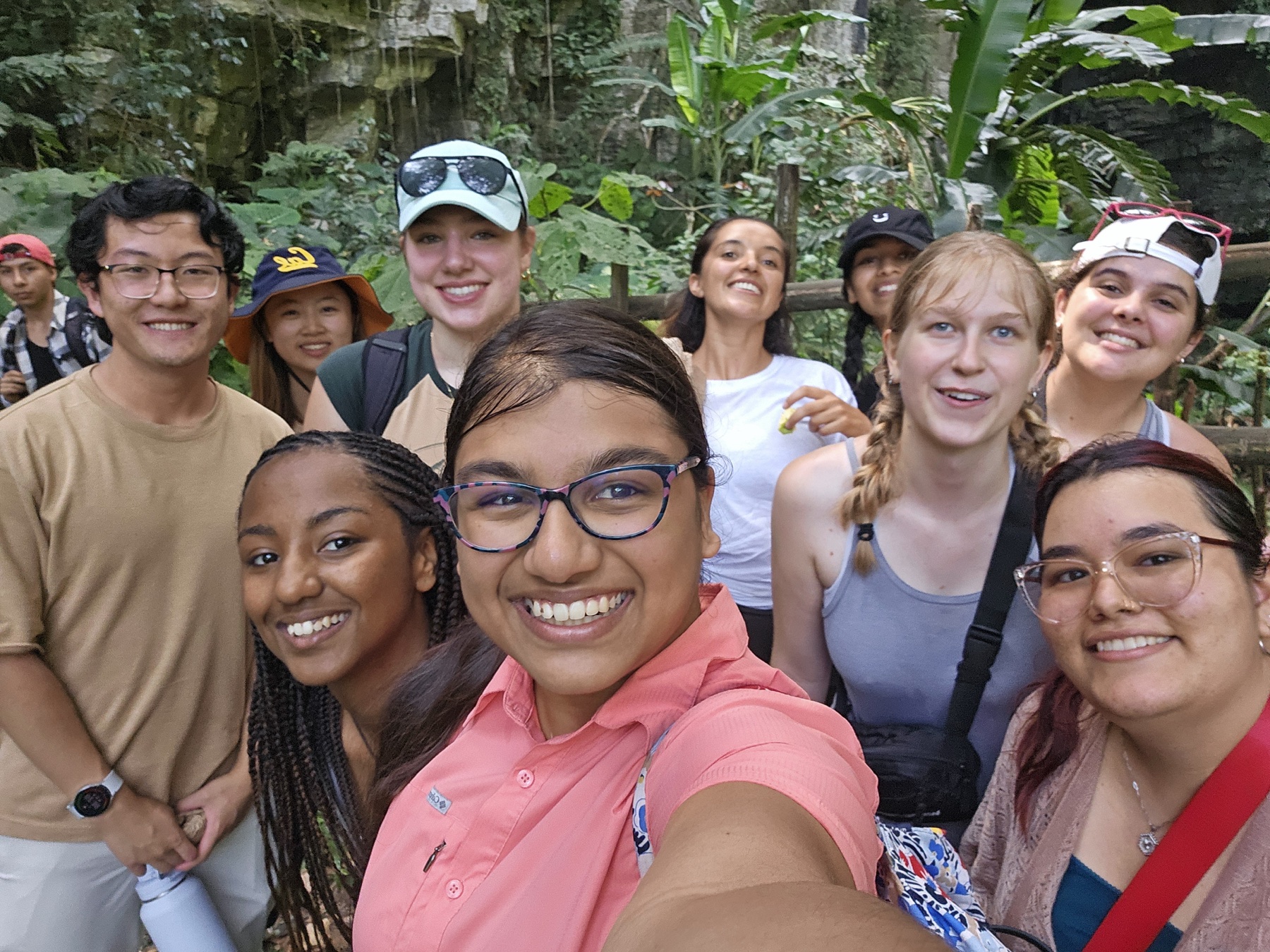
Our conversations made abstraction difficult. Migrants did not speak about the United States as an idea. They spoke about distance from family and the cost of waiting. Social movement leaders spoke about policy through the daily pressure it places on people who cross borders or live with someone absent because of them.
The Masejwual communities we learned from did not treat sovereignty as an academic keyword. They described the work of defending territory and water against mining projects and hydroelectric dams. What stayed with me was how ordinary the work looked from the outside. Cooperative organization. Local government. Hospitality offered with care. A language kept alive through use.
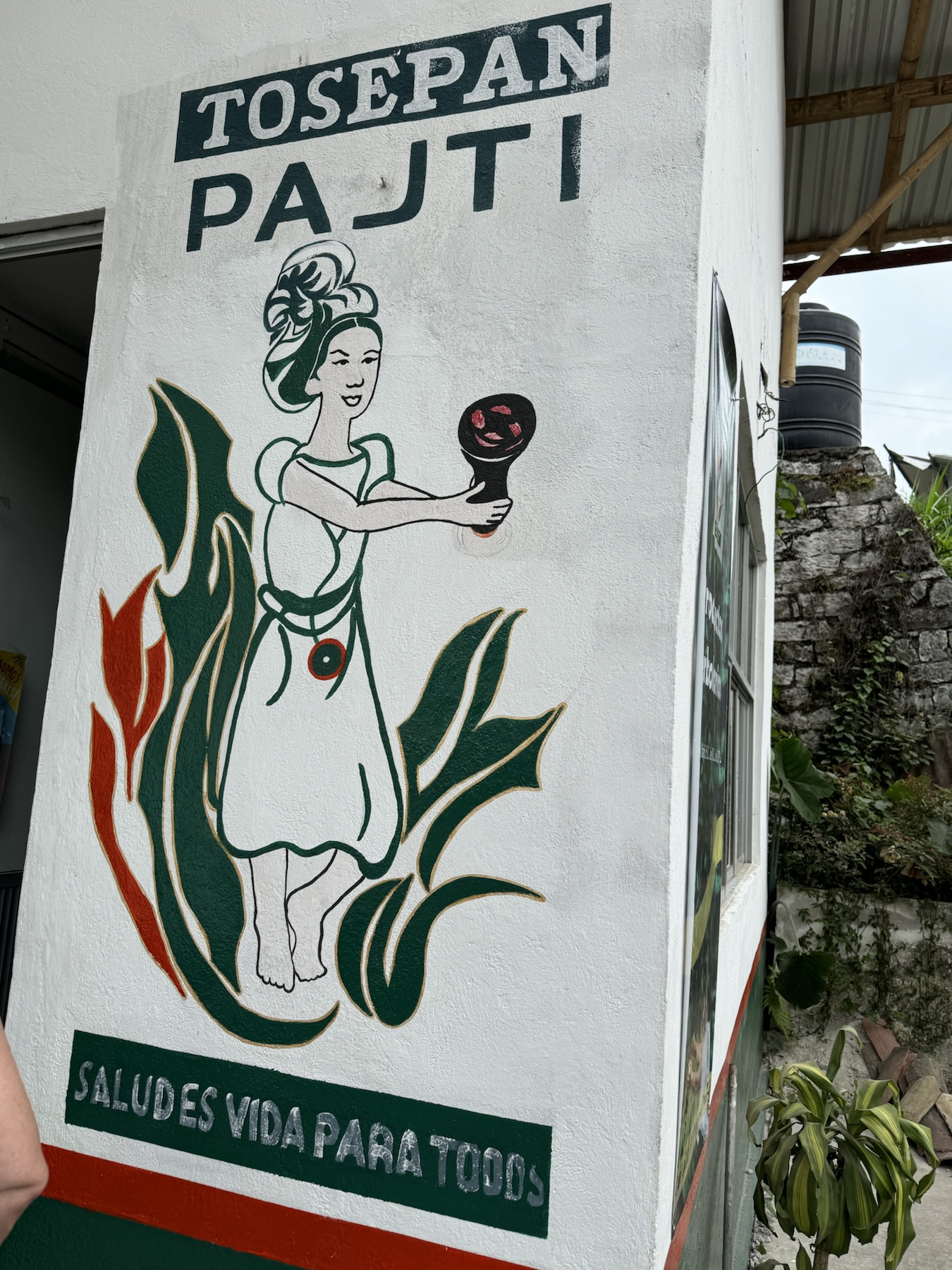
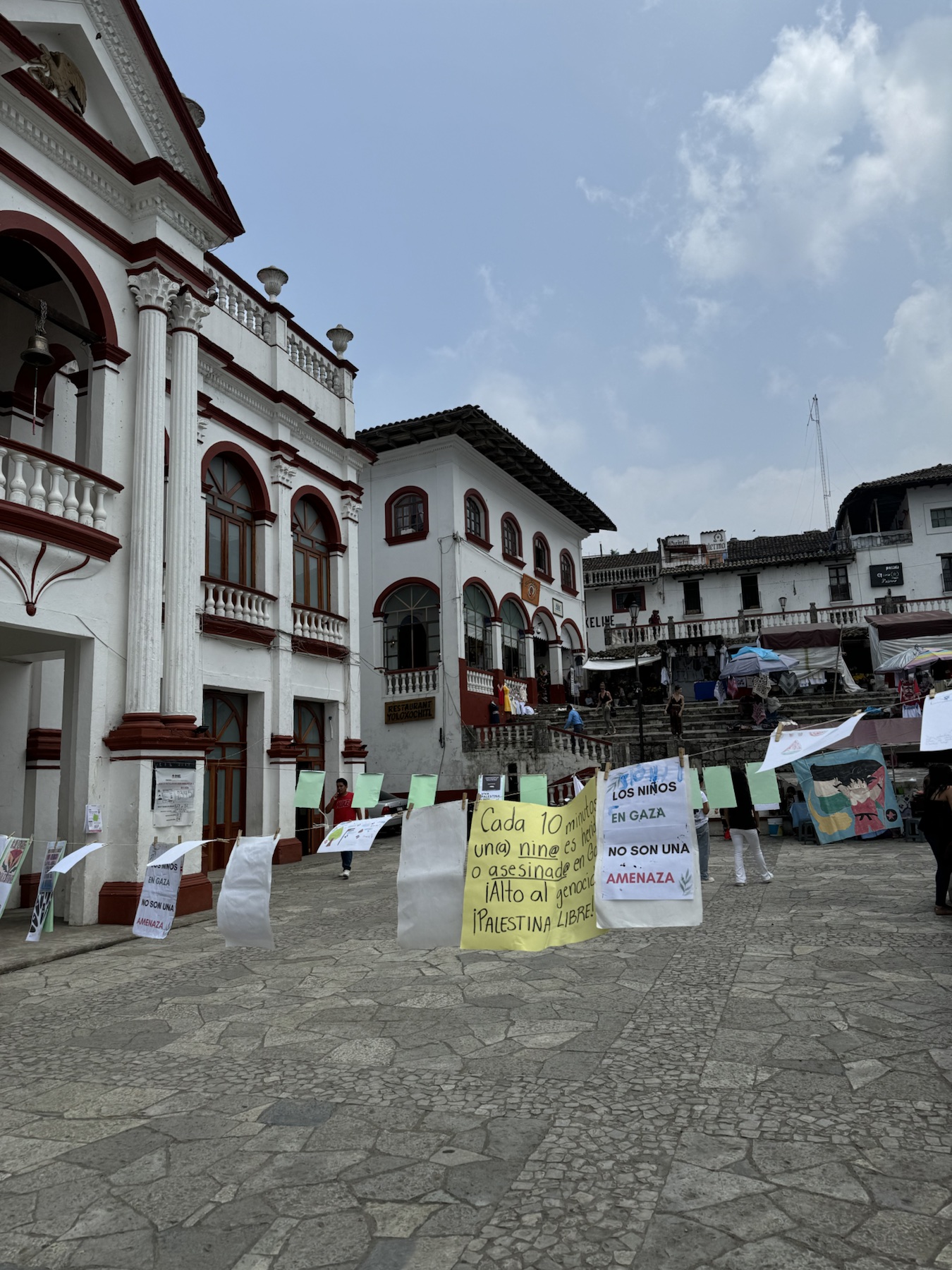
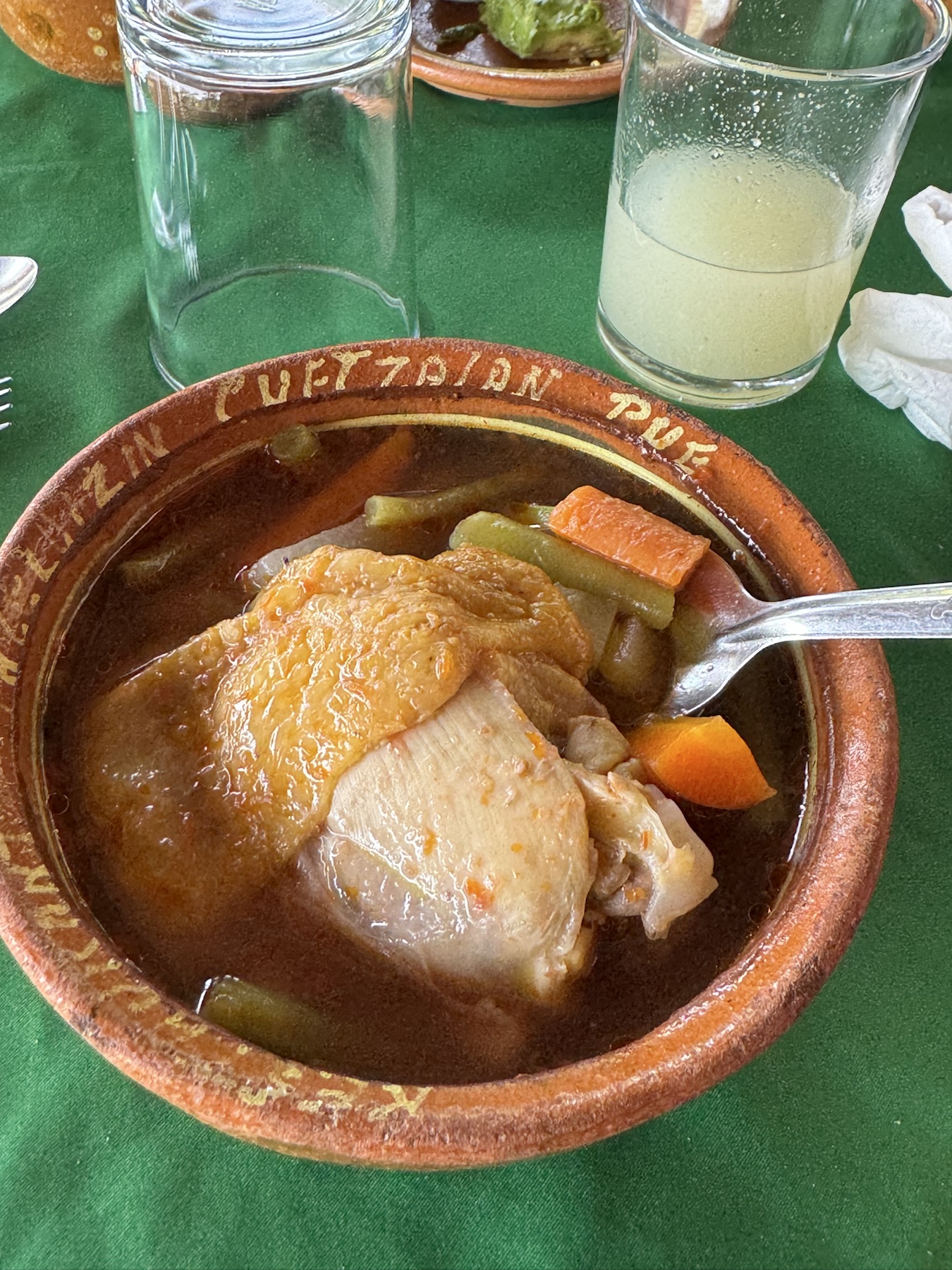
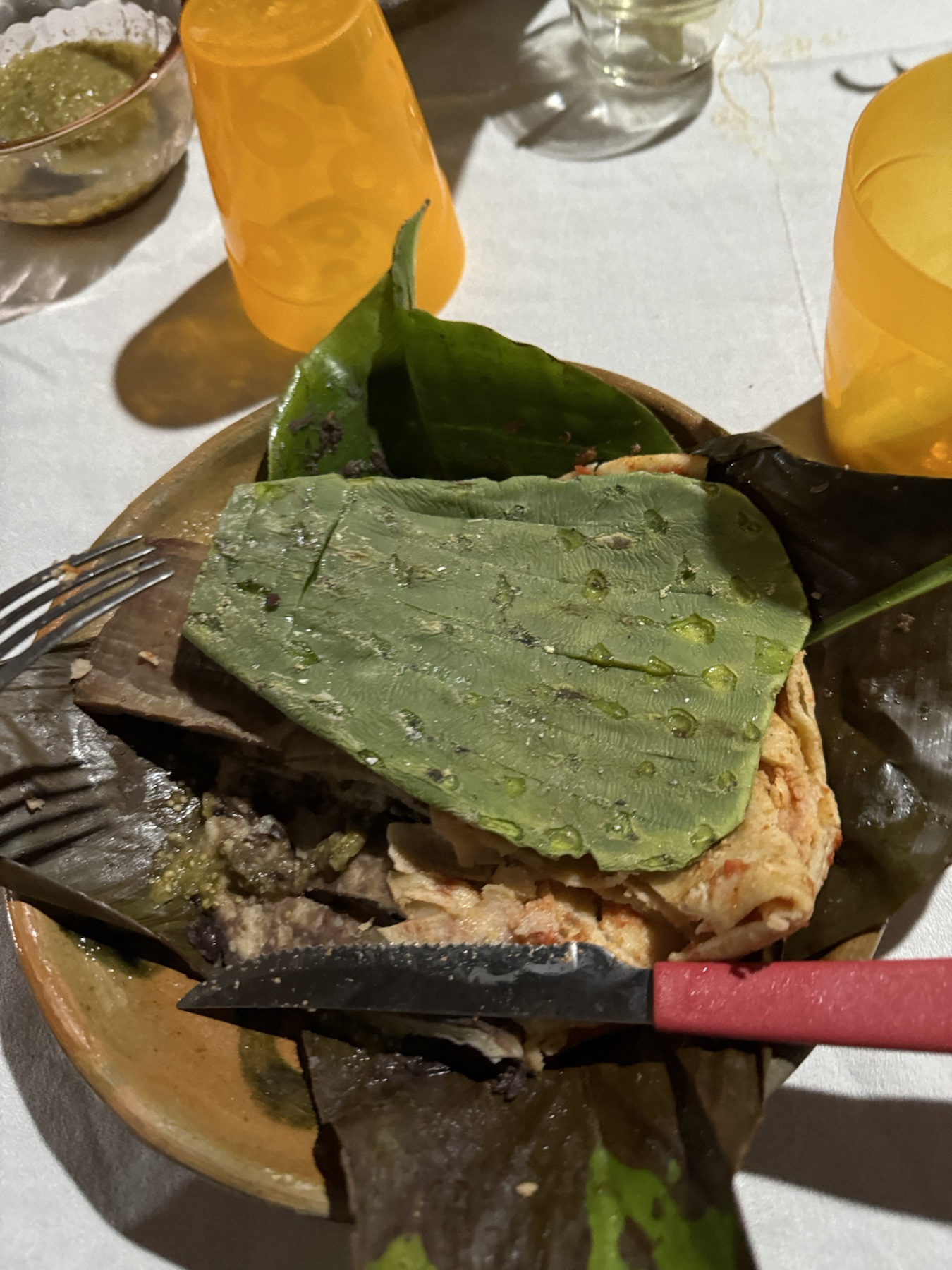
Food made that lesson easier to understand. A meal was not only something served after the serious conversation ended. It was part of the conversation. We learned how outside judgment can misread a culture quickly. Some people see children drinking coffee and call the practice uncultured. The more careful story is that families often use decaf coffee, and the drink belongs to a local food world with its own knowledge. At PAJTI, even handmade local oil carried that same lesson. Culture was not decoration. It was technique, memory, and care made practical.
Those practices changed how I understand research. Good research is not extraction with better language. It requires humility about what one does not know and accountability to the people whose lives become data. As a computer scientist, I carry this back into technical work because systems increasingly decide who is searched, whose language is legible, and whose record can be found. My global studies training keeps me close to that responsibility.